Theory
Here’s a clear and structured overview of the main theories about the disappearance of Malaysia Airlines Flight MH370. These represent hypotheses investigated or debated by official bodies, aviation experts, and independent analysts. None has been definitively proven.
1. Pilot-Initiated Event
Theory: The captain or co-pilot deliberately diverted and flew the aircraft until fuel exhaustion.
Supporting points:
Flight path involved complex turns consistent with manual input.
Transponder and communication systems were disabled early in the flight.
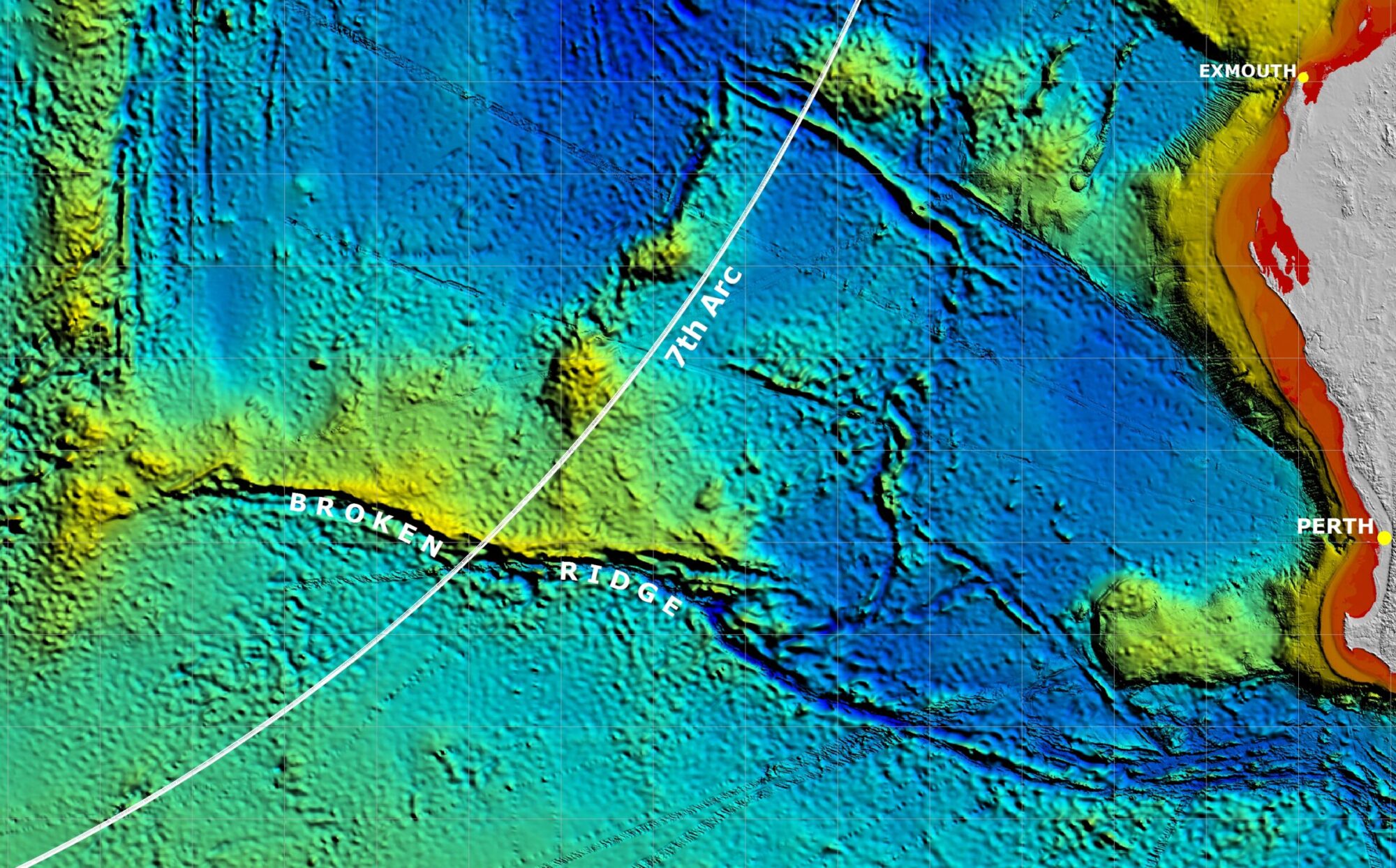
Extended flight duration (tracked by satellite pings) could suggest deliberate course-setting.
Captain Zaharie Ahmad Shah’s home flight simulator reportedly had routes plotted to the southern Indian Ocean.
Counterpoints:
No conclusive psychological or behavioral evidence that the crew intended suicide or mass murder.
Official investigation found no financial, personal, or professional motive.
2. Hijacking or Unlawful Interference
Theory: A third party gained control of the aircraft.
Supporting points:
Early suspicions due to two passengers traveling with stolen passports.
History of hijackings in aviation led to initial focus here.
Counterpoints:
No group claimed responsibility.
Passengers with false passports were determined to be asylum seekers with no terrorism links.
No credible demands, threats, or communications were ever received.
3. Onboard Fire or Technical Failure
Theory: A fire (e.g., electrical, lithium batteries in cargo) or decompression event disabled communications, incapacitated crew/passengers, and left the aircraft flying on autopilot until fuel ran out.
Supporting points:
Explains sudden loss of communications and course deviation (possibly crew attempting emergency diversion).
Counterpoints:
Aircraft continued flying for many hours, inconsistent with uncontrolled fire.
No wreckage shows evidence of in-flight fire or explosion.
Aircraft maintenance and safety record did not suggest imminent failure.
4. Shoot-Down Scenario
Theory: The plane was accidentally shot down by a state military (e.g., similar to Iran Air Flight 655 or MH17).
Supporting points:
Fits the sudden disappearance and secrecy around military radar data.
Region has sensitive military zones (e.g., U.S. base at Diego Garcia).
Counterpoints:
Widespread international involvement in the search makes large-scale cover-up unlikely.
Debris analysis indicates controlled ocean impact, not high-altitude breakup.
No radar or missile launch evidence was reported by regional militaries.
5. Mechanical Catastrophe
Theory: Sudden structural failure (e.g., depressurization, engine failure, or electrical fault) incapacitated crew and led to uncontrolled “ghost flight.”
Supporting points:
Explains lack of communication after transponder loss.
Similar to Helios Airways Flight 522 (2005), where crew incapacitation led to autopilot flight until fuel exhaustion.
Counterpoints:
Boeing 777 has one of the best safety records in aviation history.
The turns and deviations suggest deliberate inputs, not just mechanical failure.
6. Conspiracy / Cover-Up Theories (Unproven)
Ideas:
Secret military capture or diversion (often linked to Diego Garcia).
Cargo (e.g., sensitive technology, lithium batteries) caused problems and was concealed.
Governments withheld radar/satellite data.
Reality:
No hard evidence supports these scenarios.
Most stem from the unusual absence of wreckage and delayed release of information by Malaysian authorities in 2014.
⚖️ Balanced View
Most aviation experts lean toward pilot-initiated action (the deliberate diversion hypothesis) or accident/incapacitation (fire, depressurization, ghost flight).
Official reports stopped short of blaming either cause, stating only that the disappearance was consistent with a final flight path into the southern Indian Ocean, with no evidence sufficient to identify why.